
Yard Waste Removal in Massachusetts: The Best Clean up guide on when to Clean Up Your Yard
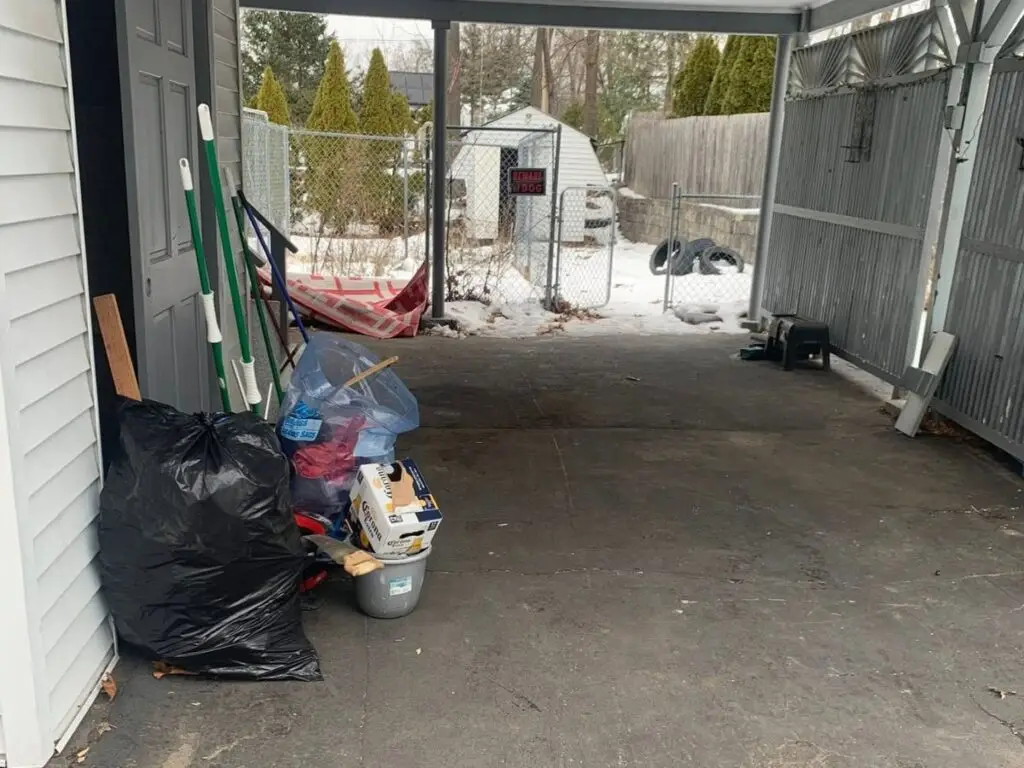
Living in Massachusetts means fighting the seasons. One month it’s mud. Next month it’s a million oak leaves. Then it’s February, and there’s a foot of snow sitting on the pile you swore you’d handle back in November. Here’s what nobody tells you about yard waste removal in Massachusetts that homeowners deal with every year. Timing beats effort. Most folks wait until the yard is a disaster, then throw a whole Saturday at it. That’s backwards. Hit the right two-week window and the job is quick. Miss it, and you’re hauling soaked, heavy sludge that weighs three times what it did in October. We’re Rubbish Rescue. We’ve been clearing Central Mass yards long enough to know the pattern by heart. Here’s how to beat it. Why You Should Actually Care Don’t just ignore those piles in the corner. Rotting leaves are a magnet for every pest in the county. Ticks, mice, even unwanted mold; they all love a messy lawn. When to Handle the Big Cleanup Fall is the deadline you can’t move. Your goal is to get leaves off the grass before the ground freezes. In Central Mass, that’s usually the second to fourth week of November. It can shift a week or two either way. Once the ground freezes, whatever is left on the lawn stays there until spring. And it stays wet. That’s how you end up with brown slime patches in May. Spring is the window people rush. Everyone says April, and April is close to right. But here’s what most guides skip. Raking a soaked lawn does real damage. Walk across the grass and look behind you. If you’re leaving footprints, the soil is too wet. You’ll pack it down and rip grass roots right out. Wait a few days for it to dry. A week of patience beats a month of reseeding. There’s one more spring tip. A lot of bees and other helpful bugs spend the winter in leaf litter. They don’t come out until the soil warms to about 50 degrees. So if you have a back garden bed you don’t fuss over, leaving it until early May is a smart choice, not a lazy one. Clear the lawn early. Clear the beds later. Now for the mistake we see most often. Most leaf removal Massachusetts properties need isn’t hard work. It’s just badly timed work. And the biggest error isn’t skipping the cleanup. It’s doing it only once. Why Multiple Leaf Removal Visits Work Better Than One One huge push in mid November means the first leaves have been rotting for a month. Two or three smaller passes work better. Try late October, then again in mid November. It takes less total work, because dry leaves weigh a fraction of what wet ones do. Dry leaves also don’t pack down into a crust. Watch your mower, too. Chopping leaves into the lawn is good for the grass. But there’s a limit. After you mow, look down. If you can’t see grass through the chopped layer, you smothered the lawn instead of feeding it. Here’s a good rule. Mowing handles about a three-inch layer of dry leaves. A big oak drops more than that in one weekend. One more thing worth asking when you price out leaf removal Massachusetts services this fall. How many visits does the quote cover? One visit and two visits are very different deals. Ready to reclaim your backyard? Dealing with Yard Debris Always check the rules in your town first. Curbside yard waste pickup in Massachusetts changes a lot from town to town. But most places follow a pattern like this: Here’s the part that surprises people. Stumps and root balls are almost never taken. Big log rounds often aren’t either. So if you took down a tree, that’s a separate problem from your leaf bags. Why is yard waste separate from your regular trash at all? Because Massachusetts made it a law. State rule 310 CMR 19.017 bans leaf and yard waste from landfills and trash-burning plants. It has to be composted or recycled instead. That’s not your town being picky. That’s state law. It’s also why a good hauler can tell you the exact name of the place your pile is headed. Some people rent a truck and haul it themselves. I’ve done it. It’s miserable. You get dirt everywhere, you lose your whole afternoon, and you still pay dump fees at the end. Run the numbers first. Here’s what one cubic yard of yard waste weighs: A heaping six-foot truck bed holds about two cubic yards. Dry, that’s nothing. Soaked, you’re looking at 1,100 pounds. But a half-ton pickup can only carry 1,000 to 1,500 pounds total. That total includes you, your buddy, and your tools. Check the sticker inside your driver’s door before you load, not after. That’s the whole case for hiring out your yard debris removal. The raking isn’t the hard part. The hauling is. Massachusetts Burning Rules for Yard Debris And no, you probably can’t just burn it. The Burning season in Massachusetts runs from January 15 to May 1. You need a permit from your local fire department. And 22 of the state’s most crowded cities and towns ban it all year long. Even where burning is legal, you can only burn brush. Leaves, grass, hay, and stumps are all off limits. You have to burn between 10 a.m. and 4 p.m. You have to stay at least 75 feet from any building. And you have to watch the fire the whole time. April is the worst month for brush fires in this state. It’s also the month everybody wants to light one. One more tip if you’re clearing out a whole property. If you’re booking estate cleanout services after a death or a move, get the yard done on that same visit. Don’t save it for later. Cleaning out a house means piling stuff outside anyway. One crew, one truck, one trip beats booking twice and paying