


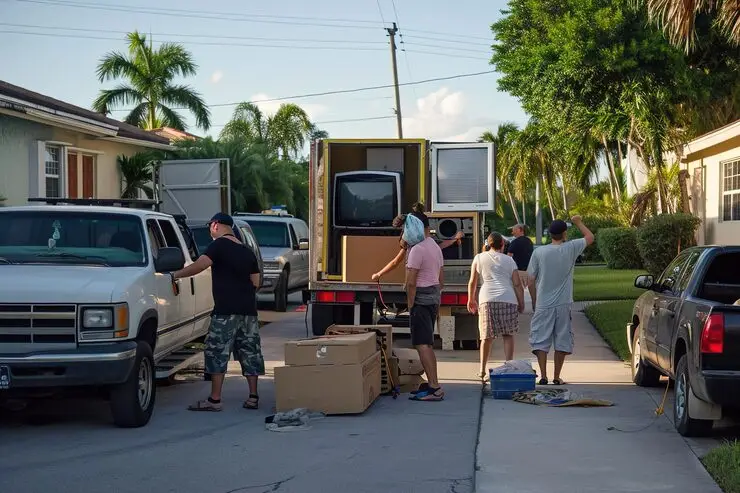
Cleaning out a house full of old junk always sounds simple enough at first. Then you actually start dragging things out, and your wallet feels it fast. Most people think haulers just look at a pile and guess a random number on the spot.
The truth is, it’s not just a guess. Your final price comes down to a few clear factors, and each one changes how much work, time, and fuel the crew needs to finish the job.
If you understand these hidden details beforehand, you can plan your cleanup budget a lot easier. Plus you will completely avoid that sudden, painful shock when the final bill drops. Let us look at the things affecting junk removal costs so you know exactly what to expect.
1. Physical Pile Volume and Truck Capacity
The absolute main cost driver is how much space your heap occupies inside the vehicle. Hauling outfits operate massive commercial trucks that cost serious money to run all day long. They charge you based on how much of the truck bed you occupy.
If your household clutter takes up a whole truck instead of a small corner, your baseline junk removal cost naturally climbs. A full load ties up the crew for the whole stop, so they cannot serve other customers that day, which directly impacts their total daily business revenue.
Truck Space and Material Weights
Fractional Loads: Piles filling a quarter or half truck cost less but still carry a minimum operational fee.
Full Truckloads: Massive cleanouts filling the entire vehicle require maximum truck capacity and higher overall rates.
Heavy Materials: Dense items like concrete, dirt, or brick quickly exceed standard truck weight limits and cause price spikes.
Dense Construction Waste: Piles of old drywall, plaster, and tiles weigh down trucks and require specialized heavy-duty disposal handling.
2. Structural Weight and Local Tipping Rates
Disposal weight is a hidden element that completely catches homeowners off guard. Local waste management facilities do not charge by visual pile size when haulers arrive. They charge by the actual commercial scale weight.
Because of these strict scale rules, a tiny pile of broken foundation bricks can cost double what a giant sofa does. The couch takes up a lot of room but weighs a lot less compared to bricks.
3. Specialty Items and Commercial Disposal Bans
What you want thrown away changes your starting quote right away. Regular household trash is simple. It goes in the truck and off to the dump with no extra steps. But Massachusetts has strict rules about certain items, and these can’t go in the trash at all. Old tube TVs and computer monitors, large appliances like fridges and washers, mattresses and box springs, and even old clothes, shoes, and bedding are all banned from the dump under state law. They have to go to a recycler or a donation center instead.
These rules are a big reason junk removal costs can change so much from one home to the next. A load of old boxes and broken chairs is quick and cheap to handle. A load with two mattresses, an old fridge, and a tube TV takes extra sorting, extra stops, and recycling fees at each place.
4. House Architecture and Manual Carrying Labor
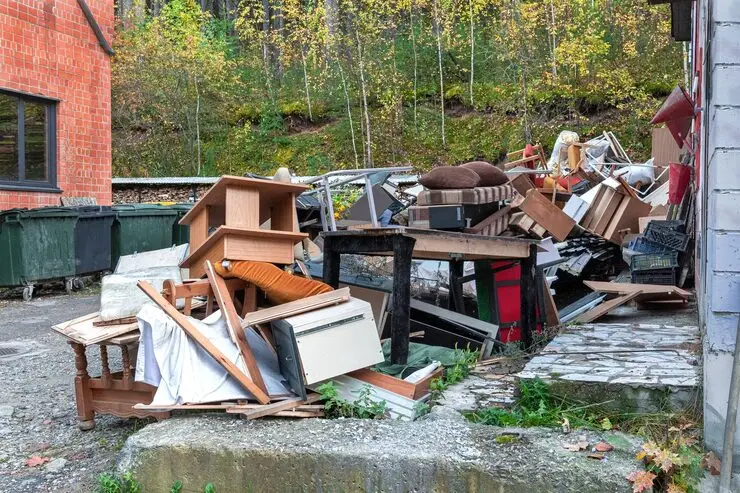
Where your junk sits in the house can change how long the job takes. A pile on the front lawn is quick, since the crew can load it right into the truck. A heavy dresser in a back bedroom takes more work, and a couch on the third floor of an apartment with narrow stairs takes even more.
At some companies, that extra effort shows up on your bill. Stairs, tight hallways, and long walks to the truck are common junk removal pricing factors, since the crew needs more time and has to be careful not to scrape walls or doorframes. At Rubbish Rescue, we take it out wherever it is. Basement, attic, or top floor, our crew handles the heavy lifting so you don’t have to drag anything to the curb first.
5. Needed Disassembly and Teardown Time
Bulky backyard items often cannot fit through a standard yard gate or exterior door frame. When this happens, the cleanup workers have to bring out specialized tools to break the structures down.
Taking an axe or circular saw to a massive hot tub or wooden playset can take major time. The business has to bill for that extra tool usage and manual teardown labor.
6. Strict Waste Regulations for Junk Removal in Massachusetts
Your specific ZIP code dictates the operational rules because of changing local dumping laws. Every separate state enforces its own environmental rules regarding what goes into local ground space.
Getting professional junk removal in Massachusetts means dealing with state waste bans on standard items. Haulers must take mattresses and electronics to separate drop-off hubs, which can add significant time to the route, but is all part of the job.
7. Warehouse Travel Distance and Fuel Surcharges
How far the truck has to drive is another thing that can affect your price. Junk removal trucks are big, heavy vehicles, and they use a lot of fuel. They use even more sitting in stop-and-go traffic on Route 290 or I-190. Over time, all those miles and gallons add up for any hauling company.
That’s one reason it pays to hire a local crew. When you book junk removal in Worcester, MA, with a company that’s based nearby, the truck isn’t driving an hour each way just to reach you. A shorter drive means less time and fuel spent getting there, and that helps keep your quote fair and simple. At Rubbish Rescue, we serve Worcester and the towns around it, so you’re paying for the work in your home, not a long ride on the highway.
How to Keep Your Junk Removal Quote Low
A little prep before the truck shows up can make the whole job go smoother. Some of these tips can even lower your price. Here’s what helps the most.
- Send clear photos or videos for your quote: The better we can see what’s there, the more accurate your quote will be. Take pictures from a few angles, and include anything tucked in closets or corners.
- Give away or sell what you can first: Anything a friend takes or you sell online never goes on the truck. Fewer items means a smaller quote.
- Bag up small loose trash: Putting loose odds and ends into heavy contractor bags helps the crew load faster and keeps your floors cleaner.
- Keep paths wide open: Move shoes, rugs, and small furniture out of hallways and doorways so the crew can carry big items out quickly and safely.
- Point out what stays and what goes: Tape or sticky notes on the items you want gone help the crew work fast and keep anything important from ending up on the truck.
- Leave the heavy lifting to us: Don’t hurt your back dragging a couch to the curb. With Rubbish Rescue, labor is already part of your flat-fee price, so our crew will carry it out from wherever it sits.
Items That Carry Extra Disposal Charges
Certain everyday household objects always require extra money to process due to strict local mandates.
Renovation debris and old roofing shingles: These dense materials overload truck axles and trigger massive per-ton dumping rates.
Worn out car tires and automotive rubber: State laws demand specialized chemical recycling plants that charge premium handling fees.
Flat screen televisions and old office computers: Digital devices contain dangerous heavy metals that require certified green processing.
Freezers and old air conditioning window units: Cooling appliances must have their hazardous refrigerant gases drained by licensed pros.
Cast iron bathtubs and old porcelain sinks: These incredibly heavy items require multiple workers just to lift safely.
Getting an Accurate Junk Removal Estimate
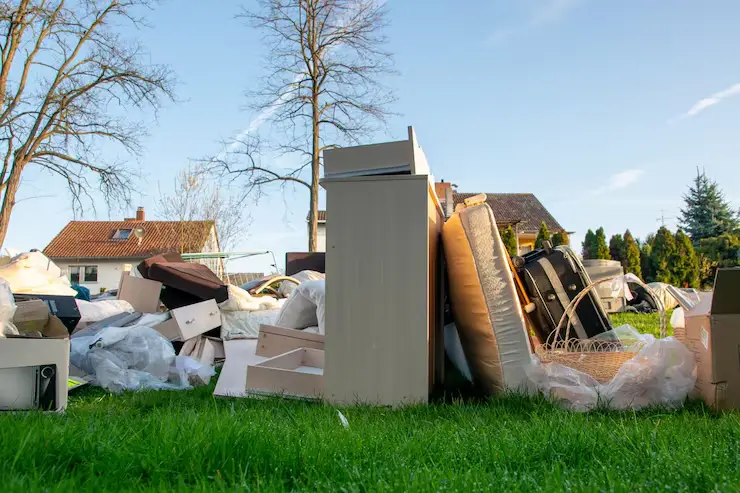
Getting a solid junk removal estimate upfront saves you from a massive headache later. Our crew at Rubbish Rescue hates hidden fees just as much as you do. We look at your actual pile first so the final price makes total sense.
Honestly, skipping the surprise charges comes down to a little basic planning on your end. Knowing how truck space and heavy lifting change the final bill lets you prep your pile way smarter.
Taking a few minutes to organize your junk ahead of time is the easiest way to deal with changing factors affecting junk removal prices. A tiny bit of prep work keeps your hard-earned cash right where it belongs.
FAQ
How does Rubbish Rescue calculate the specific factors affecting junk removal prices for local cleanouts?
Our team at Rubbish Rescue calculates rates based on the total space your items occupy in our trucks. Our estimate factors in the weight of your items, local disposal costs, and the labor required to remove them.
What types of common household items always carry extra disposal fees at local landfills?
Local transfer stations charge extra fees for items like mattresses, large appliances with cooling gases, old television sets, and tires. These items require a separate recycling approach that costs more than regular household garbage disposal.
Can the physical location of my old stuff really change the final quote?
Yes, because items buried deep inside attics or tight basements require much more time and physical effort to remove. This extra labor time directly increases the final operational cost compared to a quick curbside pickup.
Why do local landfill dumping fees vary so much between different towns?
Commercial waste charges are established differently by every city due to different landfill capabilities and environmental rules. These changing regional costs mean that professional hauling companies must adjust their baseline prices depending on where they dump.
What is the easiest way to minimize my total cleanout bill?
The most effective strategy is consolidating all your items into an easily accessible location like a driveway. Bagging loose clutter and breaking down large wooden items ahead of time will also significantly reduce the labor hours needed.